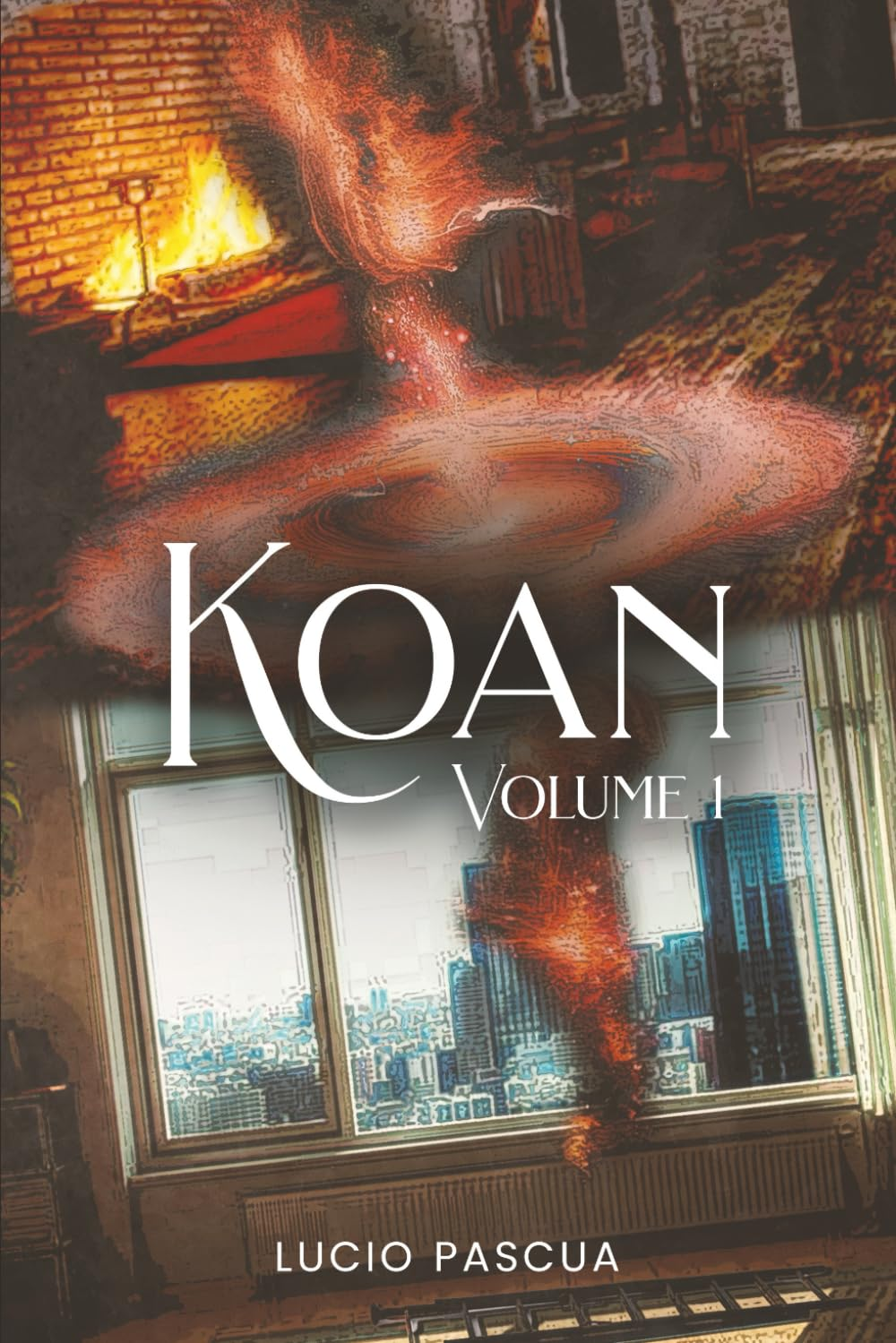
Some ideas in fiction stay with readers long after the story ends. One such idea in KOAN by Lucio Pascua is the presence of the Enlightened One. This figure is not introduced as a character in the usual sense. Instead, it functions as a central metaphysical idea that shapes the entire world of the book.
Understanding who the Enlightened One is helps readers understand why KOAN feels thoughtful, reflective, and quietly challenging.
The Enlightened One as a Source, Not a Ruler
In KOAN, the Enlightened One exists as the dreaming source of reality. The universe unfolds within this dream, sustained by peace and balance. It is not a god who commands or judges. The Enlightened One does not issue laws or punish wrongdoing. Instead, existence continues because the dream remains undisturbed.
This distinction matters. By removing authority and control from the center, Lucio Pascua shifts attention toward responsibility. The Enlightened One represents consciousness itself rather than power. The state of the dream reflects the state of harmony within the universe, suggesting that reality is shaped by awareness and intention rather than domination.
Why a Dream Changes the Question of Meaning
Presenting the universe as a dream invites readers to reconsider what makes actions meaningful. If existence depends on balance, then disruption becomes more than conflict. It becomes a threat to continuity itself. This idea encourages reflection rather than fear. It prompts readers to consider how inner states, such as peace, care, and restraint, influence the broader world.
It is an accessible introduction to one of the central metaphysical ideas in the book, written to intrigue new readers without revealing plot details. The dream framework is simple to grasp. However, it opens deep questions. If reality is sustained by peace, then peace is not passive. It becomes an active condition that must be maintained.
The Connection Between the Enlightened One and the Guardians
The role of the Guardians further clarifies the importance of the Enlightened One. The Guardians exist to protect balance and prevent disruption. They do not rule the universe. They serve it. Their actions are careful and limited, reflecting a form of ethical responsibility rather than control.
This relationship reinforces the book’s core idea. The Enlightened One dreams, the Guardians protect, and the universe continues through restraint and awareness. Together, they form a structure where power is defined by care rather than force. It can be read as a reflection on leadership, governance, and moral responsibility in the real world.
Why This Idea Resonates With Readers
The Enlightened One matters because it reframes how readers think about influence and responsibility. Instead of focusing on heroes or villains, KOAN focuses on conditions. When balance is respected, life continues. When it is ignored, consequences follow.
This idea appeals to readers interested in philosophy, spirituality, and ethical questions. It does not demand belief. It invites thought. Readers can approach it as a metaphor, a reflection, or an imaginative exploration.
This book does not explain everything about the Enlightened One, and that is part of its strength. The concept is meant to be considered rather than solved. For readers curious about fiction that explores consciousness, responsibility, and meaning through story, KOAN offers a thoughtful place to begin.
If you are interested in novels that raise questions instead of providing simple answers, KOAN by Lucio Pascua is well worth reading.
Head to Amazon to purchase your copy of KOAN.
Koan: Volume l (The Koan Saga Book 1): https://www.amazon.com/dp/1968615466
Koan: Volume ll (The Koan Saga Book 2): https://www.amazon.com/dp/1968615474