In a world that thrives on noise, political arguments, constant updates, and endless talking, silence has become rare. However, sometimes silence says more than words ever could. In Lucio Pascua’s KOAN, silence is not emptiness or inaction. It is strength, reflection, and a space where truth can be heard more clearly. The novel reminds readers that meaning often lives in what is unsaid, and that quiet moments can carry more power than the loudest battles.
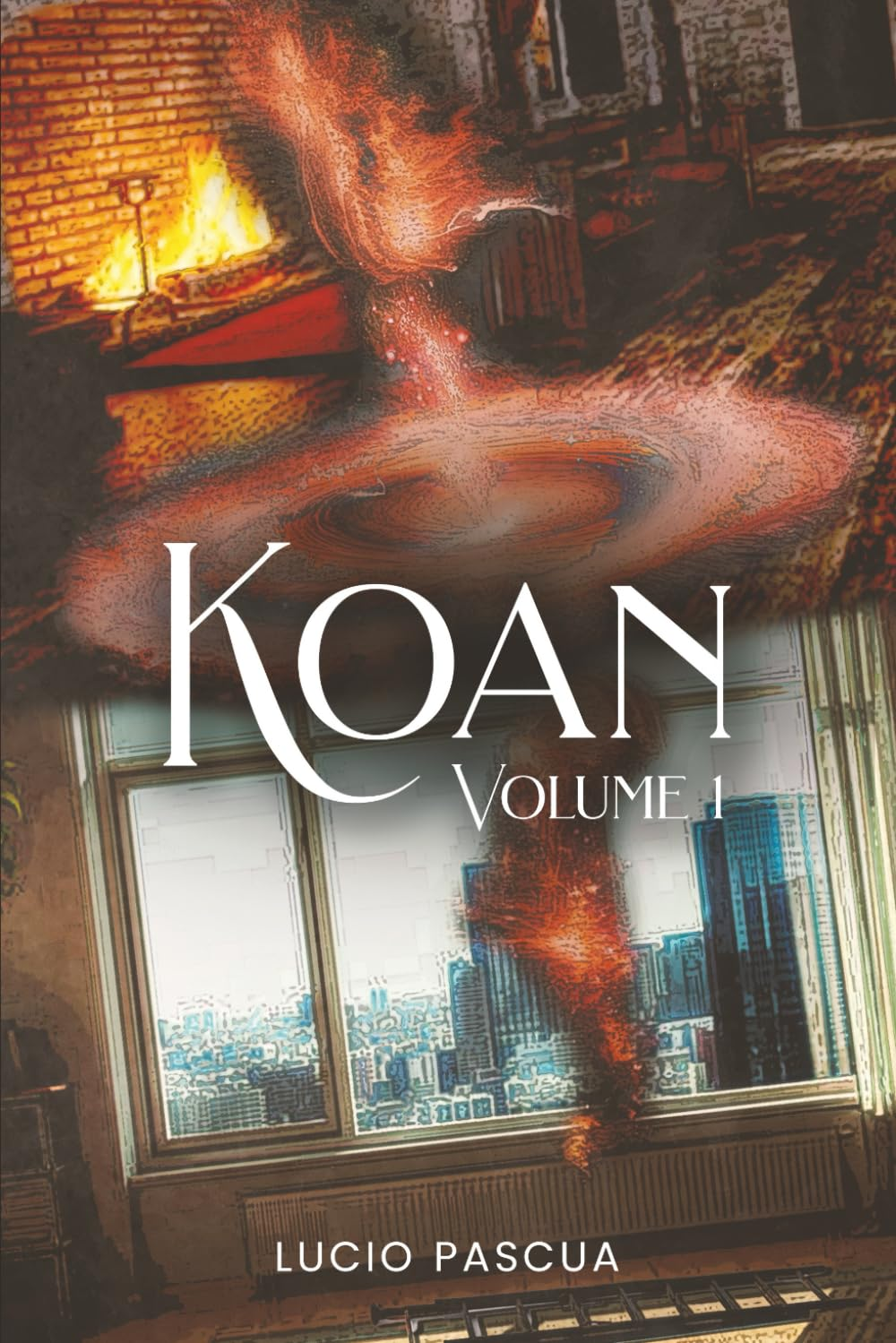
At first glance, KOAN appears to fit within the realm of fantasy and philosophy, featuring guardians, leaders, and universal forces. But beneath its mythic scope, Pascua builds a story shaped by restraint. Instead of grand speeches or constant confrontation, the book relies on quiet exchanges, inner thoughts, and reflective imagery. This approach draws the reader in slowly, asking them to listen instead of react. The pauses between events, the stillness before decisions, the calm before chaos, reveal as much as the action itself.
The characters in KOAN represent this idea beautifully. El-Javaz, the leader who chooses peace over war, demonstrates that silence is not a sign of weakness. His ability to listen, to think before acting, and to respond with calmness in moments of conflict becomes his greatest source of strength. While others demand loud declarations of power, El-Javaz’s quiet confidence and moral patience become revolutionary. Pascua uses him to show that peace requires more courage than anger ever could.
The Guardians, too, are beings of silence and wisdom. The Northern Tortoise and the Eastern Dragon do not rule with noise or threat. They observe, guide, and maintain balance through awareness. In their world, silence is a form of understanding. Their restraint gives weight to their presence, reminding readers that authority does not always need to shout. In their stillness, Pascua captures a universal truth: that real power often speaks softly.
This subtle storytelling can be compared to films like The Green Knight or The Fountain, where silence becomes a tool for reflection. In these works, as in KOAN, pauses are purposeful. They allow the audience to feel the depth of emotion rather than be told what to think. Pascua’s writing works similarly. His language is simple yet meaningful, filled with imagery that invites contemplation instead of confrontation.
KOAN teaches that silence does not mean the absence of sound. It is a form of communication that encourages thought, empathy, and awareness. In a time when many conversations turn into conflicts, Pascua’s novel reminds us that sometimes the greatest strength lies in holding back, in listening deeply, and in responding with clarity instead of chaos.
For readers who enjoy stories that invite reflection rather than noise, KOAN is a rewarding experience. It shows that silence, when used with purpose, can reshape how we see the world and how we choose to live within it.
Head to Amazon to purchase your copy of KOAN.
Koan: Volume l (The Koan Saga Book 1): https://www.amazon.com/dp/1968615466
Koan: Volume ll (The Koan Saga Book 2): https://www.amazon.com/dp/1968615474