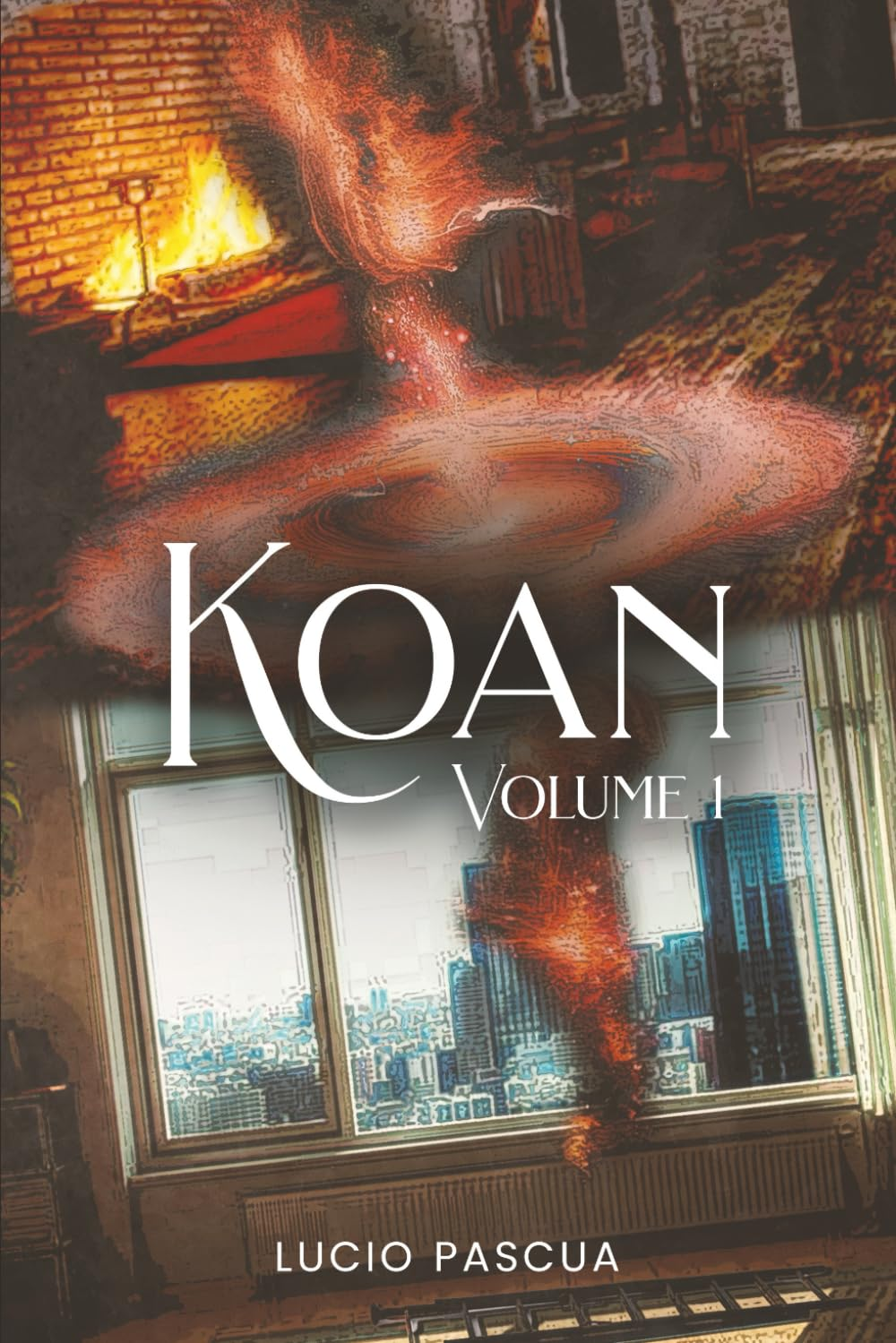
Some books offer a break from the world. Others ask readers to look at it more closely. KOAN by Lucio Pascua belongs to the second kind. From the opening pages, it becomes clear that this is not a story meant to distract or soothe. Instead, it invites attention, thought, and participation.
Reading KOAN is an active experience, one that asks readers to engage with ideas rather than step away from them.
A Book That Slows the Reader Down
In an era when many novels strive for speed and constant action, KOAN moves at a deliberate pace. It does not rush to explain itself or guide the reader toward a single conclusion. This slower rhythm encourages readers to pause, reflect, and notice connections. Moments in the book often feel like invitations to think rather than instructions on what to feel. This approach makes reading an act of engagement rather than escape.
Participation Instead of Passive Consumption
KOAN does not hand meaning to the reader. Instead, it asks readers to help create it. Ideas about order, chaos, responsibility, and consciousness appear through symbols, conversations, and imagined worlds. For example, the presence of the Enlightened One and the Guardians does not come with simple explanations.
Readers are encouraged to consider what these figures represent and how their roles relate to real-world questions about leadership and ethics. This kind of reading requires attention and thought, turning the reader into an active participant.
Reflection Grounded in Story
Although KOAN explores large ideas, it remains rooted in narrative moments and characters. Scenes involving governance, conflict, and cooperation reflect real human concerns. A peaceful ruler who avoids violence raises questions about how power can be used responsibly. Scientific and philosophical discussions appear alongside humor and everyday interactions. These elements keep the book grounded while still encouraging reflection. The result is a story that feels thoughtful without becoming distant or abstract.
Engagement Across Disciplines
One of the reasons KOAN resists escapism is its openness to multiple interpretations. A reader interested in philosophy may focus on questions of consciousness and the balance between them. Someone drawn to politics may reflect on the book’s ideas about leadership and nonviolence. Others may enjoy how myth and speculative elements blend with satire. This layered structure supports the idea that the book invites readers to actively participate in meaning-making rather than escape reality.
A Book That Lingers After the Last Page
Because KOAN does not resolve everything neatly, it stays with the reader. Questions raised in one chapter often return later in a different form. It encourages re-reading and discussion, especially with others who may have noticed different details. The book becomes a shared space for conversation rather than a finished product to be set aside. It is not about leaving the world behind. It is about engaging with it through story, symbol, and reflection.
For readers who enjoy fiction that challenges them to think, question, and participate, KOAN by Lucio Pascua offers a meaningful reading experience. It is a book worth picking up when you are ready to read actively rather than escape.
Head to Amazon to purchase your copy of KOAN.
Koan: Volume l (The Koan Saga Book 1): https://www.amazon.com/dp/1968615466
Koan: Volume ll (The Koan Saga Book 2): https://www.amazon.com/dp/1968615474