Stories about war and power often focus on battles, betrayals, and grand victories. But Lucio Pascua’s KOAN takes a different path. It is an epic story that finds its strength not in conflict, but in calmness. Beneath its cosmic guardians, philosophical reflections, and allegorical world lies a message about balance, the kind that begins within. Pascua shows that inner peace can be just as powerful as any weapon, and that a truly epic story explores the quiet struggles of the human spirit alongside the great struggles of the universe.
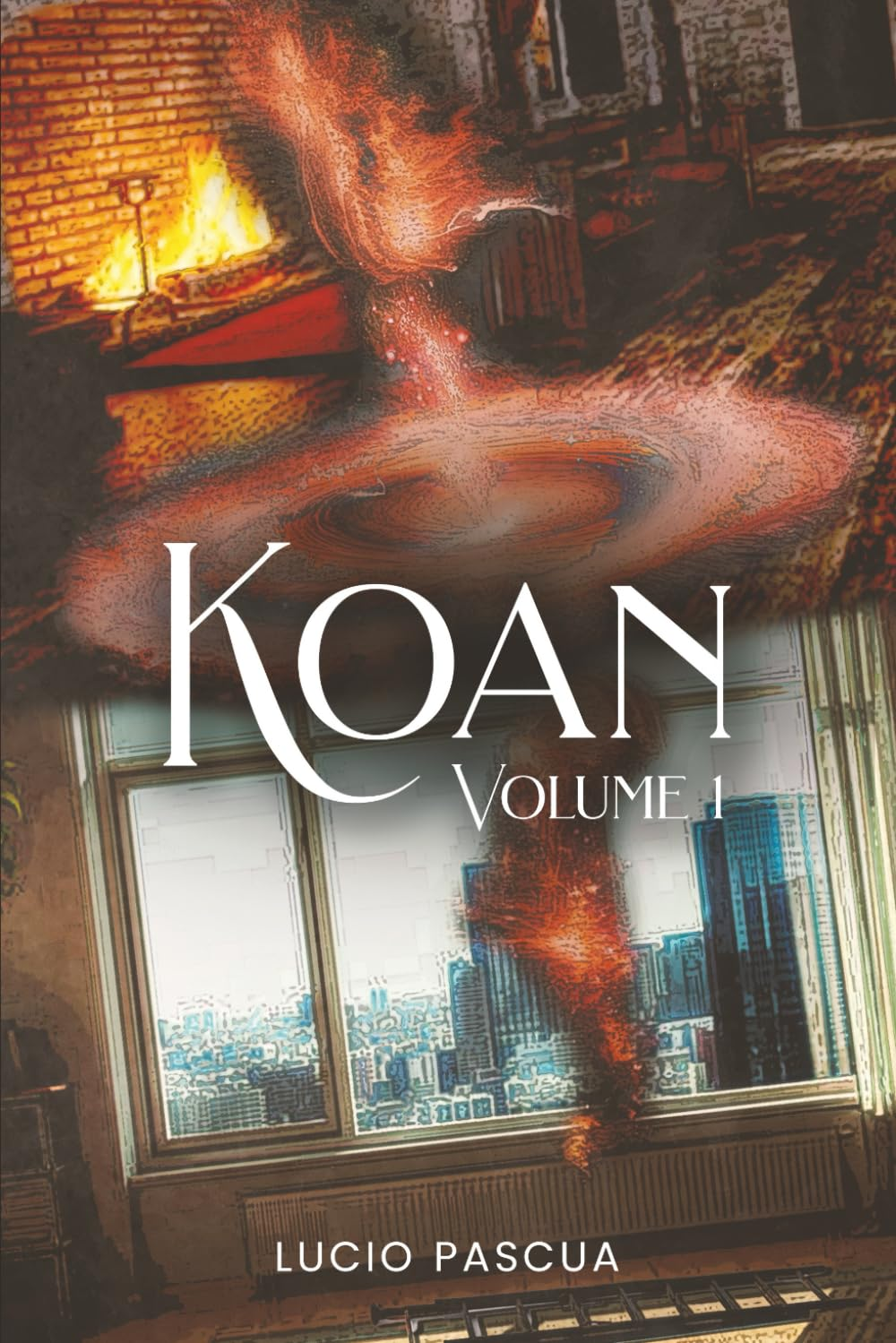
KOAN is set in a world where order and chaos constantly pull against each other, creating both tension and growth. Within this vast backdrop, Pascua introduces characters who must learn that peace is not the absence of conflict, but a state of clarity within it. The story’s strength lies in this duality. While the universe moves with cosmic energy, the heart of the book remains deeply personal. Characters like El-Javaz, who chooses to lead through nonviolence, show that calmness can coexist with courage. His leadership reflects strength through understanding rather than control.
This theme of internal balance appears throughout the book. The Guardians, such as the Northern Tortoise and the Eastern Dragon, act as living symbols of harmony. They do not fight to dominate, but to maintain equilibrium between opposites, light and dark, chaos and order, life and death. Pascua uses these figures to model what peace looks like in motion. They remind readers that peace does not mean passivity. It means staying centred even when the world shakes around you.
The power of a KOAN lies in its ability to connect the inner and outer worlds. The characters’ personal journeys mirror the universe they inhabit. When there is an imbalance in the heart, there is an imbalance in the cosmos. Through El-Javaz’s meditative leadership and the Guardians’ wisdom, Pascua creates a story where emotional stability becomes the key to restoring universal order. This link between personal growth and larger harmony makes the novel feel both intimate and vast.
The book’s pacing also reflects its message. Pascua’s writing is calm and deliberate, full of pauses and reflections that allow readers to breathe with the story. It recalls the tone of thoughtful films like The Fountain or The Green Knight, where introspection drives the narrative forward. Instead of rushing toward dramatic endings, KOAN asks readers to slow down and feel the meaning in each decision, each silence, and each act of restraint.
By the time the story reaches its quiet revelations, readers begin to see that KOAN’s true epic journey is inward. It teaches that peace is not something to be found after chaos, but something to be practised during it. Pascua’s universe is full of movement and change, yet it always circles back to the stillness that holds it together.
For readers seeking a story that combines depth with calm, and imagination with introspection, KOAN offers a journey worth taking. It proves that in both fiction and life, the greatest victories often begin with inner peace.
Head to Amazon to purchase your copy of KOAN.
Koan: Volume l (The Koan Saga Book 1): https://www.amazon.com/dp/1968615466
Koan: Volume ll (The Koan Saga Book 2): https://www.amazon.com/dp/1968615474