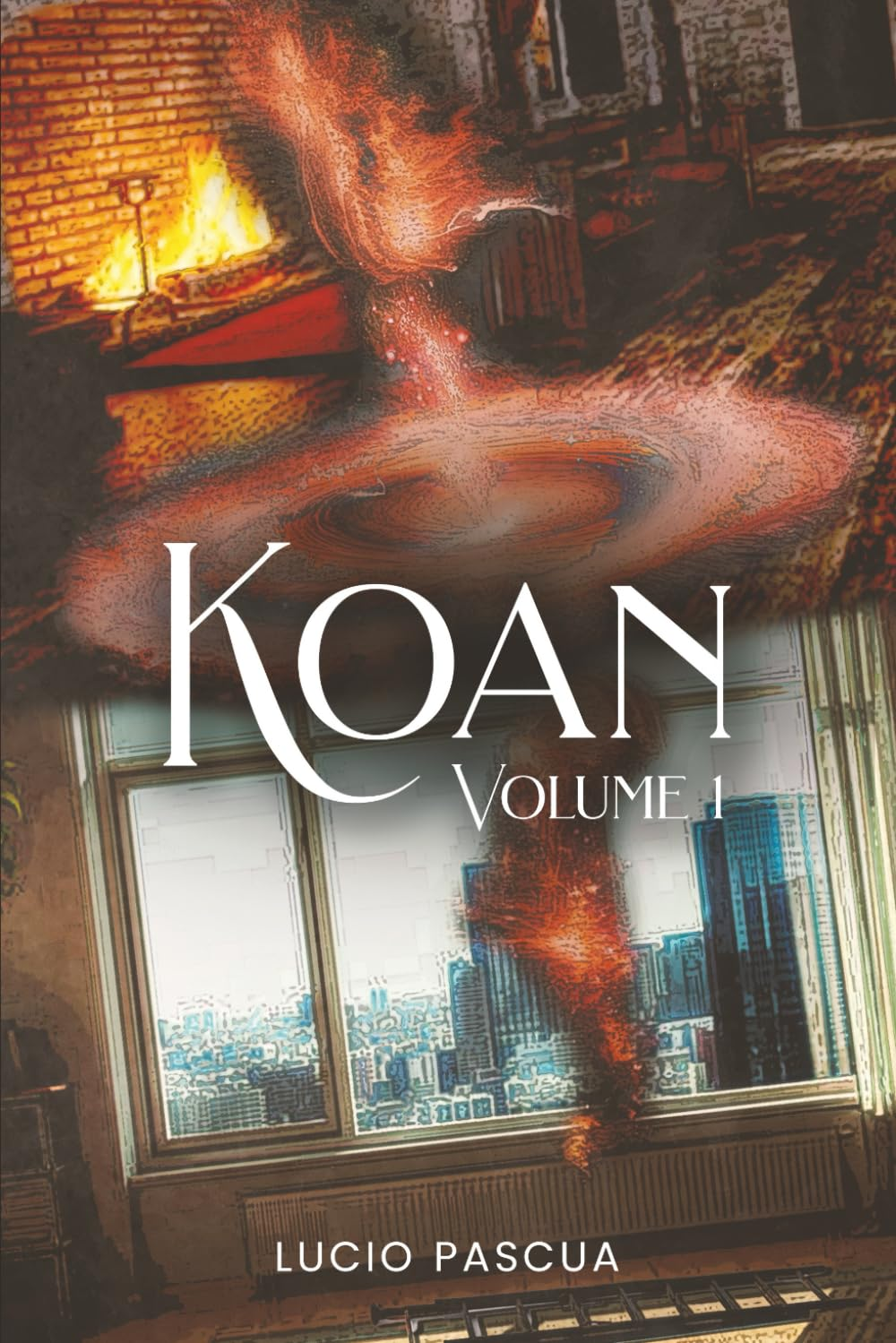
What if reality is not as solid as it feels? What if existence itself depends on something as fragile as a dream? This idea sits at the center of KOAN by Lucio Pascua, and it opens a question that reaches far beyond the book. If the universe is a dream, then how we act within it may matter more than we expect.
A Dream That Sustains Reality
In KOAN, the universe exists within the dream of the Enlightened One. As long as this dream remains peaceful, creation continues. When harmony is disturbed, existence itself is placed at risk. It is not presented as a threat meant to frighten the reader. Instead, it works as a philosophical lens. Reality is shown as something sustained by balance, care, and awareness rather than force or control.
This idea encourages readers to rethink responsibility. If the world depends on inner states such as peace and intention, then responsibility is not limited to laws or systems. It becomes personal. Every action, belief, and choice contributes to the condition of the whole.
Responsibility Beyond Power and Authority
One of the striking aspects of KOAN is that responsibility is not assigned only to rulers, heroes, or institutions. The Guardians exist to protect balance, but they do not dominate or dictate to others. Their role is careful, limited, and ethical. It suggests that true responsibility lies in restraint and attentiveness rather than authority.
In everyday terms, this idea can be unsettling. It removes the comfort of blaming others for disorder. If harmony and disruption are shared conditions, then responsibility is shared as well. The book quietly asks whether harm begins not with grand acts of violence but with smaller failures to listen, reflect, or care.
Living Inside the Dream
Because KOAN treats reality as layered and fragile, it resists the idea of passive existence. Characters are shaped by their awareness, or lack thereof. When they act without reflection, disruption grows. When they act with patience and ethical care, balance is preserved, even if imperfectly.
This approach uses a core concept from KOAN to prompt philosophical reflection rather than deliver instruction. The idea of the universe as a dream is not meant to excuse inaction. Instead, it raises the stakes of everyday behavior. If the dream continues because of peace, then peace is not abstract. It is practiced through choices, relationships, and systems.
Questions That Follow the Reader
One reason this idea stays with readers is that it does not close neatly. KOAN does not tell us exactly how to live. It presents a framework and then steps back. It invites readers to ask their own questions and bring their own experiences into the discussion.
If our actions ripple through a shared reality, how much attention should we give to intention? If systems fail, where does personal responsibility begin? If peace sustains existence, what does peace look like in daily life?
It is not a book that answers these questions for us. It creates a space for thinking, discussing, and reflecting. If the universe is a dream, are we caretakers or passive figures within it? Do our small choices matter more than we assume?
Readers who enjoy fiction that invites reflection rather than certainty may find much to consider here. If these questions resonate with you, KOAN by Lucio Pascua is well worth reading and sharing your thoughts with others.
Head to Amazon to purchase your copy of KOAN.
Koan: Volume l (The Koan Saga Book 1): https://www.amazon.com/dp/1968615466
Koan: Volume ll (The Koan Saga Book 2): https://www.amazon.com/dp/1968615474