Leadership is often associated with power, control, and the ability to influence and direct others. History tends to celebrate those who win wars or command armies. However, in Lucio Pascua’s KOAN, leadership assumes an entirely different meaning. Through the character of El-Javaz, Pascua redefines what it means to lead, not through strength or fear, but through empathy, balance, and peace. In a world driven by competition and conflict, KOAN reminds us that the most powerful leaders are those who understand rather than overpower.
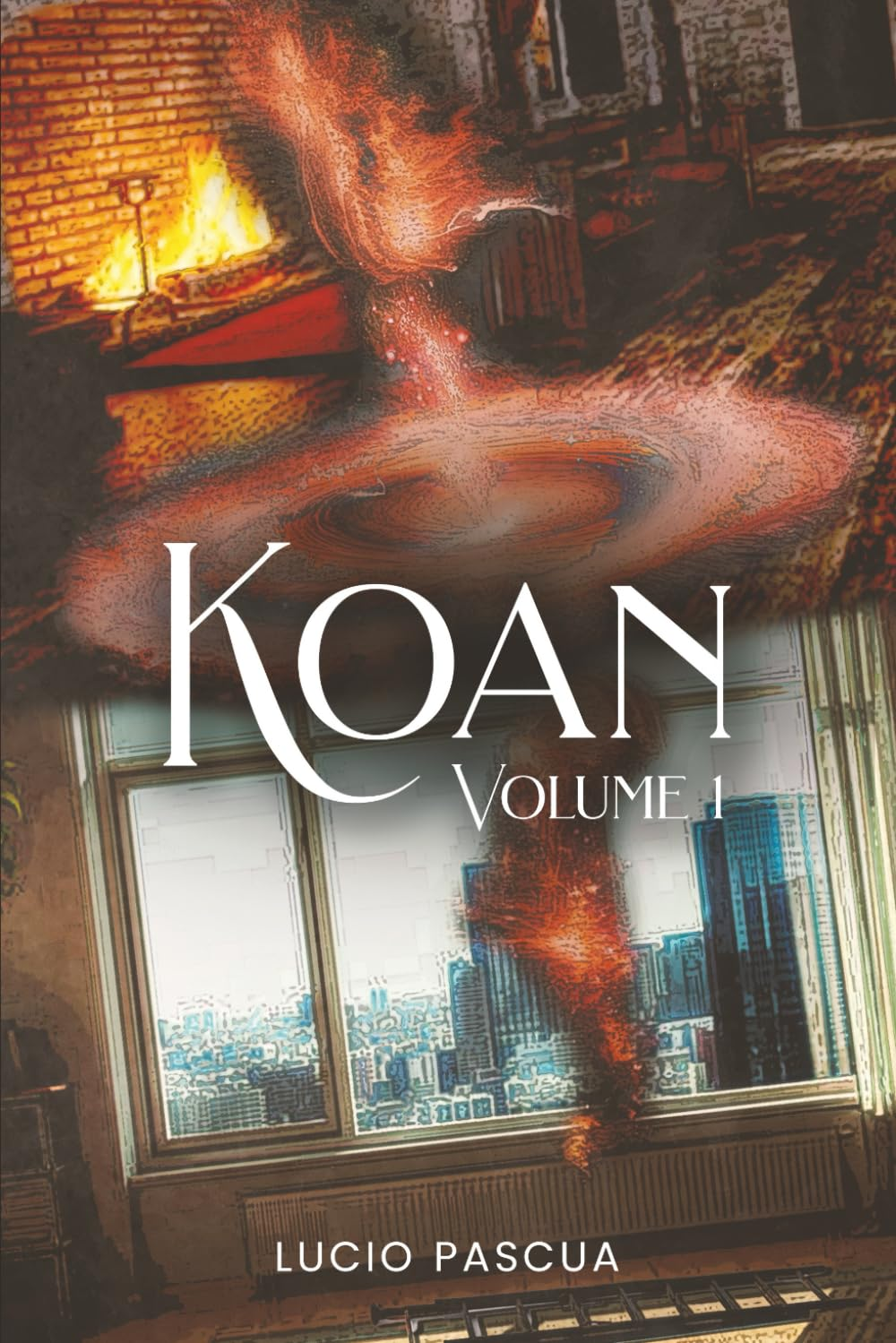
El-Javaz’s philosophy of leadership is built on patience and moral conviction. He believes that peace is not a strategy to avoid conflict, but a path to transform it. This idea may sound simple, yet in practice it is incredibly demanding. Throughout the story, El-Javaz faces resistance from those who see his calm approach as weakness. Still, he remains true to his values, demonstrating that genuine leadership is not about pleasing everyone, but about standing firm for what is right. His quiet strength becomes his greatest power.
What makes El-Javaz such a fascinating leader is that he does not separate leadership from humanity. He listens, reflects, and acts with compassion. His decisions are not made for personal gain but for the good of his people and the harmony of the world around him. In KOAN, his choices often mirror the struggles faced by real-world leaders who strive to build understanding rather than division. Pascua’s portrayal of El-Javaz invites readers to imagine what society could look like if empathy, rather than dominance, guided those in power.
El-Javaz’s character also embodies balance, a theme that runs throughout the novel. The universe of KOAN is one where order and chaos coexist, and the true test of leadership is learning to balance both in harmony. El-Javaz’s calm presence reflects this philosophy. He does not seek to erase conflict, but to find meaning within it. His belief that peace and progress can coexist echoes the wisdom of figures like Mahatma Gandhi and Martin Luther King Jr., who demonstrated that moral courage can change the world without resorting to violence.
Pascua’s writing highlights how restraint and self-awareness can be more powerful than aggression. The author uses subtle moments, such as a pause before a decision or a measured response to anger, to show that El-Javaz’s leadership is grounded in reflection. In a time when leadership is often measured by visibility and volume, KOAN makes a compelling case for stillness and thoughtfulness.
By the end of the novel, El-Javaz’s leadership becomes more than a character trait; it becomes a lesson in moral imagination. Pascua challenges readers to reflect on their own influence, whether in their families, communities, or workplaces, and to consider how empathy and patience can foster lasting change.
KOAN is not just a story about a ruler in a distant world. It is a reflection on what it means to lead with purpose and conscience. For readers seeking a thoughtful and inspiring exploration of leadership, KOAN offers a timeless reminder that peace, empathy, and balance will always be the most powerful forms of influence.
Head to Amazon to purchase your copy of KOAN.
Koan: Volume l (The Koan Saga Book 1): https://www.amazon.com/dp/1968615466
Koan: Volume ll (The Koan Saga Book 2): https://www.amazon.com/dp/1968615474